CutCoach Hit \$20K/mo: Vibe-Coded with Cursor (Case Study)
October 7, 2026 · 1253 words
| Fact | Value |
|---|---|
| What it is | iOS app that plans weight cuts for wrestlers, MMA fighters and boxers: meal plans, hydration, weight and macro tracking |
| Builder | Developer: Ethan, a founder who left college; building apps since summer 2024 |
| AI tool | Cursor + ChatGPT (build); OpenAI API also listed |
| Stack | Supabase, Vercel (landing page), Figma, RevenueCat, Superwall, Mixpanel |
| Time to launch | MVP in about a month (started in June), rebuilt July–August, relaunched in September |
| Revenue | $20K/month; $60K+ total in 6 months; about 39K downloads (self-reported, Starter Story) |
| Source | Starter Story, April 2026 |
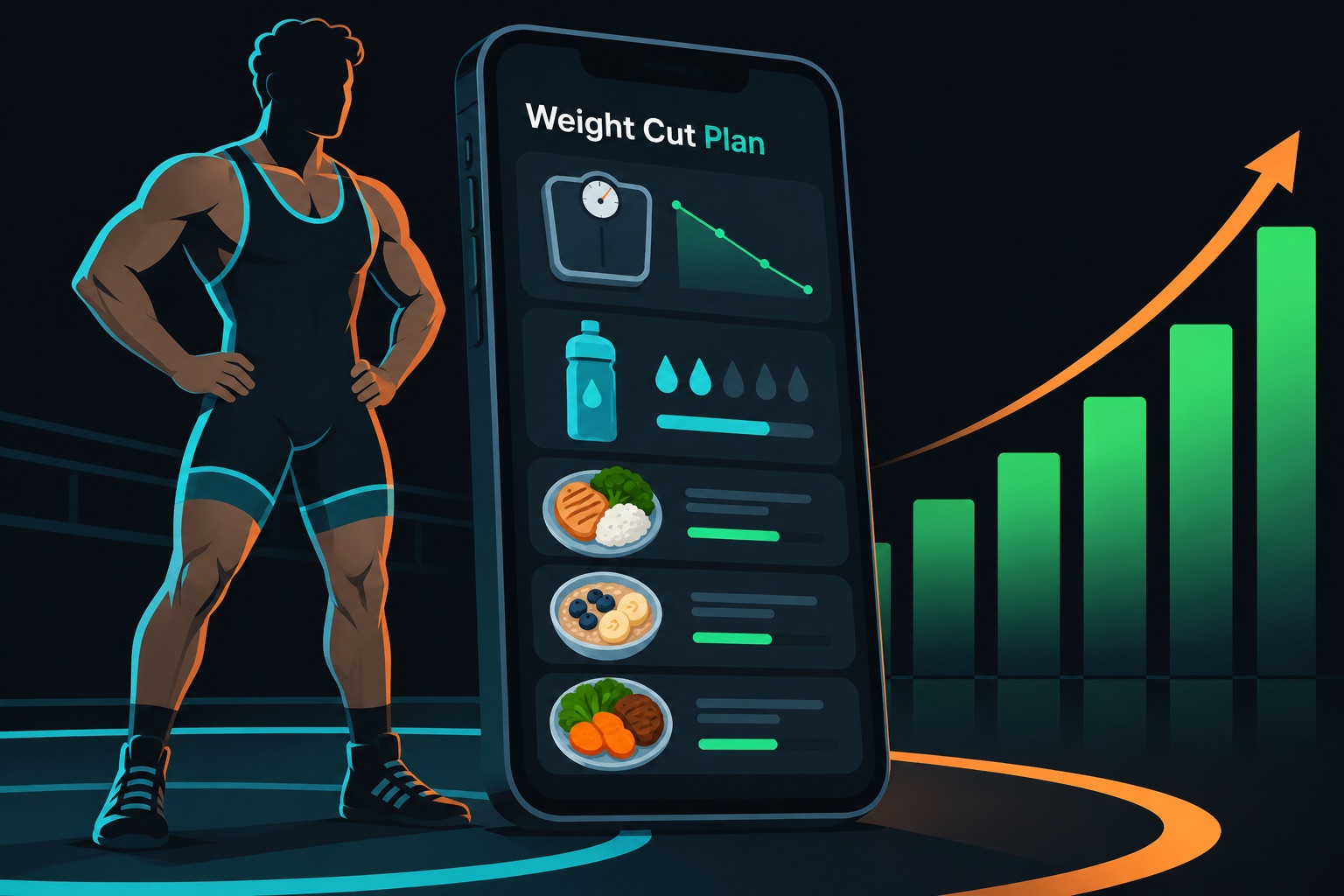
CutCoach is a small iPhone app for a very specific group: combat-sport athletes who must "make weight" before a match. Its founder, Ethan, told Starter Story in April 2026 that it makes $20,000 a month. He says it went from $0 to more than $60,000 in total revenue over six months, with about 39,000 downloads.
He built it with Cursor (an AI code editor) and ChatGPT. Here is how the pieces fit, and what you can copy.
The problem: cutting weight without guessing
Wrestlers, judoka, boxers and MMA fighters compete in weight classes. Many drop several pounds in the days before a weigh-in. Done badly, that means dehydration, fatigue and a bad performance.
CutCoach turns that into a plan. The App Store listing says it helps athletes cut up to 10% of body weight with meal plans, hydration strategies and progress tracking for weight and macros (protein, carbs and fat). It promises cuts done "safely and effectively," with an approach meant to reduce the risk of burnout and dehydration.
The founder knows this world first-hand. The Starter Story summary describes him as a former provincial judo champion and national wrestling champion. That matters. He was solving his own sport's problem, so he knew what athletes actually search for.
How it was built: one month for the MVP, then a rebuild
The timeline is short:
- June: he started building CutCoach with Cursor and ChatGPT. The MVP (minimum viable product, the smallest version that works) took about a month.
- July–August: he redesigned and rebuilt the concept.
- September: he released the redesigned version.
The summary gives months, not the year. The rest of the story (first app in summer 2024, several apps in early 2025, six months of revenue by April 2026) points to a 2025 launch.
This wasn't his first app. He started building apps in summer 2024 and built several in early 2025, but didn't market them. CutCoach is the one he pushed.
The tools around the app are standard for a solo mobile founder:
- Supabase for the database (a hosted Postgres database with login built in).
- Vercel to host the landing page.
- Figma for design.
- RevenueCat for subscriptions, Superwall for paywall screens, Mixpanel for analytics.
The OpenAI API is on his tool list too. The summary doesn't say exactly which feature uses it, so I won't guess.
My read: the AI tools did the typing, but the rebuild in July–August is the real lesson. The first version worked. The second one sold.
How it makes money
CutCoach is free to download and charges through in-app purchases. As of September 2026 the App Store lists:
| Plan | Price |
|---|---|
| Weekly | $6.99 |
| Monthly | $12.99 |
| Annual | $19.99–$49.99 (several annual options listed) |
| Lifetime | $59.99 |
The weekly plan fits the use case. A weight cut is a short, intense window before a fight. An athlete may only need the app for a couple of weeks, so a weekly price removes the "I'll never use a full year" objection.
Superwall lets you test paywall screens without shipping a new app version. RevenueCat handles the subscription plumbing across Apple's billing. Together they let one person test prices quickly.
The listing shows a 4.8 rating from about 1,600 reviews. For a niche app, that is strong social proof on the store page itself.
First users: a wrestling club, then creators
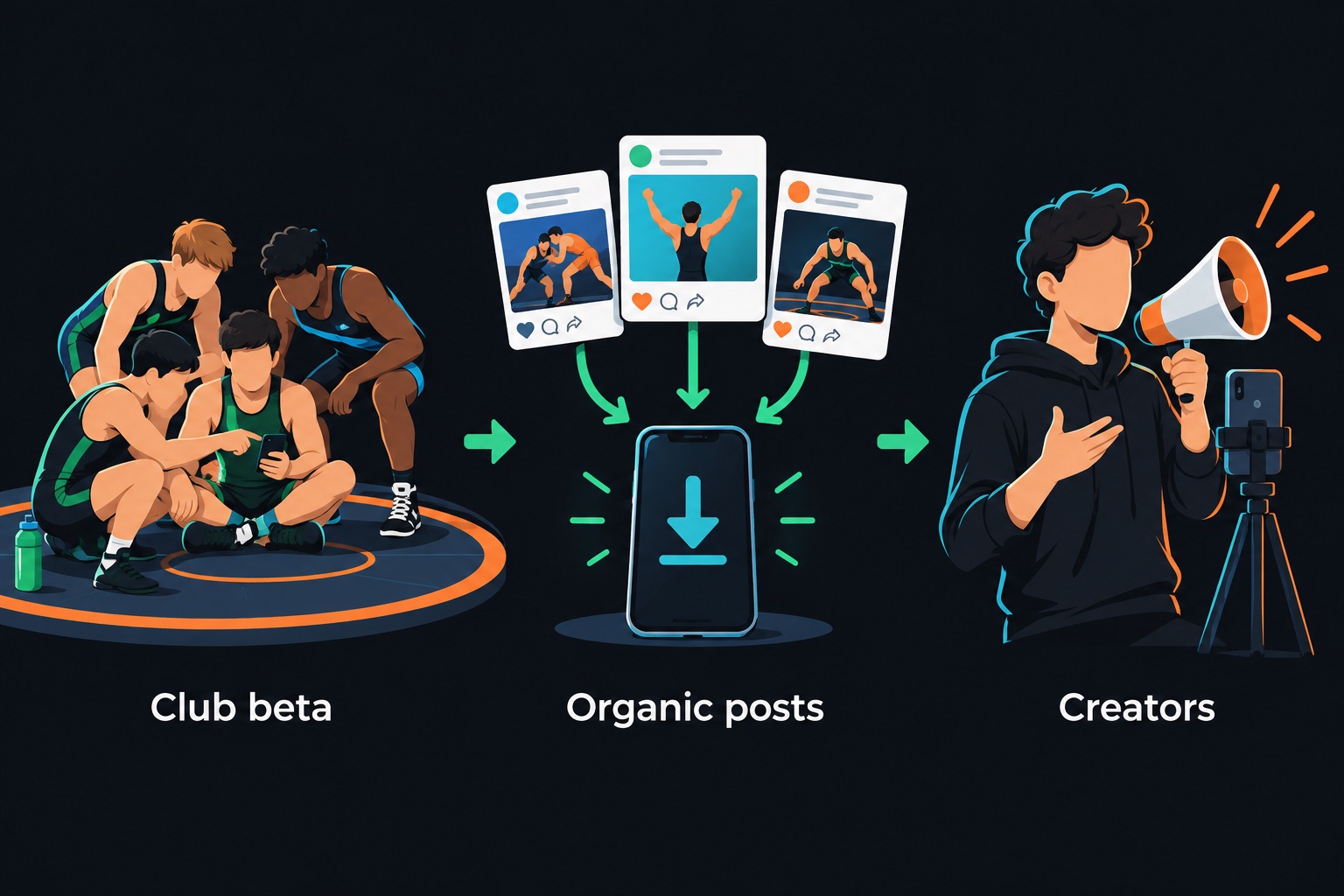
He didn't start with ads. The path, per Starter Story:
- Beta test with a wrestling club. Real athletes used it before launch.
- Organic posts. He copied the style of popular niche pages on social media. Posts with only 200–500 views brought 10–15 downloads a day. That's a sign of high intent: few viewers, but the right ones.
- Influencers. Once organic posts proved demand, he moved to influencer marketing. He found creators by scrolling TikTok and Instagram Reels and sending DMs. The summary mentions creators whose videos pull from about 1,000 to 20,000+ views.
Notice the order. He proved people wanted it cheaply, then paid for reach.
What to copy
- Pick a niche you live in. His sport background shaped the features and the marketing voice.
- Rebuild once you learn. The July–August rebuild came after real feedback.
- Price for the use case. A weekly plan matches a short weight cut.
- Test demand with small posts before paying creators. 200 views turning into 10+ downloads told him the market was real.
If you vibe-code this
An app like this stores body weight, meal logs and subscription status. Here are checks for this type of app. They are general, not findings about CutCoach.
- Lock every user table with row level security. RLS (row level security) is a database rule that says "a user can only see their own rows." Without it, a logged-in user can often read everyone's weigh-ins through the Supabase API. See Supabase RLS for vibe coders.
- Keep AI keys off the phone. An OpenAI key inside the app bundle can be extracted. Call the model from a server function instead. See environment variables security.
- Rate-limit AI features. Each AI call costs money. Cap calls per user per hour. See API rate limiting.
- Trust the server, not the app, for "premium." Unlock paid features from verified purchase events, not a flag the app sends. The same idea as verifying Stripe webhooks.
- Validate inputs on safety-sensitive advice. Reject impossible weights or targets before they reach your plan logic. See Zod input validation.
A minimal RLS policy for a weigh-ins table:
alter table weigh_ins enable row level security;

create policy "own weigh-ins only" on weigh_ins
  for all
  using (auth.uid() = user_id)
  with check (auth.uid() = user_id);
Building a health or fitness app with Cursor and want a second pair of eyes before launch? Email [email protected] for a security audit.
Key takeaway
CutCoach's $20K/month (self-reported) didn't come from clever code. It came from a founder who knew his sport, shipped fast with Cursor and ChatGPT, rebuilt after feedback, and proved demand with tiny posts before paying creators.
More case studies: vibe-coded apps making money. Before you launch, read the vibe coding security guide.
Sources
- Starter Story summary: https://www.bulletpointpodcast.com/starterstory/i-left-college-to-build-this-niche-app-now-i-make-20k-month
- Starter Story video: https://www.youtube.com/watch?v=PIXXEAfo6MY
- App Store listing: https://apps.apple.com/us/app/cutcoach/id6751152119