Plinq Made R$500K in 6 Months: Vibe-Coded with Lovable (Case Study)
October 9, 2026 · 1300 words
| Item | Detail |
|---|---|
| What it is | Women's safety app in Brazil that runs background checks on public criminal and court records |
| Builder | Non-developer (Sabrine Matos, first-time founder from Curitiba) |
| AI tool | Lovable (website, app screens, back-end workflows and scoring logic) |
| Stack | Not disclosed beyond Lovable and public-records integrations |
| Time to launch | First version live in 45 days, as a web platform |
| Revenue | About R$500,000 billed in the first six months (self-reported, March 2026). Lovable's earlier story cites R$2.2M ARR (self-reported) |
| Source | Startups.com.br · Lovable |
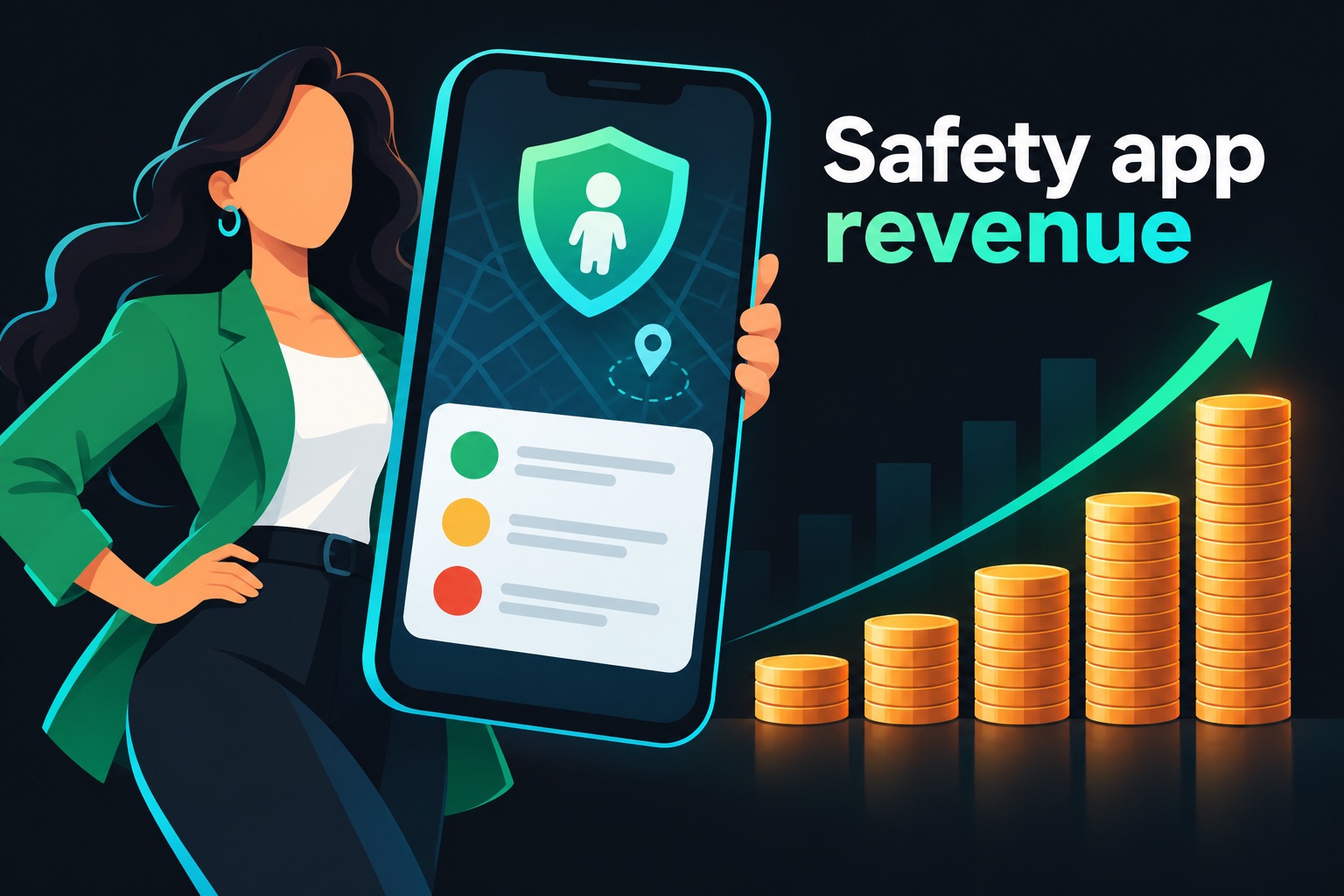
Plinq is a safety app that a non-developer built with Lovable, an AI app builder that turns plain-language prompts into a working web app. It billed about R$500,000 (Brazilian reais) in its first six months, according to Brazilian startup outlet Startups.com.br.
It also drew a personal investment from Lovable's own CEO, Anton Osika.
The one point to take away: a non-developer can ship a paid product fast with Lovable when the problem is urgent and the data already exists.
The problem: information women get too late
Plinq lets women check whether a date or a ride-share driver has a public criminal or court record. Results come back as a risk score with green, yellow and red flags.
Sabrine Matos started it after a widely reported case in Brazil. A journalist was killed by a partner who, per Cybernews, had at least 14 pending domestic violence cases she reportedly knew nothing about.
Matos put the gap this way to Cybernews: "Women here have no access to this kind of information until it's too late."
The app also has a panic button that sends your location to emergency contacts, plus a feed of safety tips. The homepage today pitches it simply: background checks to help women stay safe during dates.
How it was built
Matos is not a developer. Lovable's story describes her as a growth marketer, and Startups.com.br says she has no technical background.
She built the first version entirely on Lovable. That includes the website, the app screens, the back-end workflows, the risk-scoring logic and the connections to public-records databases. A back end is the server side that stores data and runs the logic users don't see.
The first version went live in 45 days as a web platform, not a phone app. A web launch skips App Store review, which is one less wait for a first-time founder.
What we don't know: the database, hosting, payment provider and how the records are pulled. Those details are not disclosed.
One more detail matters. Cybernews names an engineer at Plinq, Greisa Mesquita. So the product started vibe-coded by a non-developer, but it now has engineering help. That's a normal path once revenue arrives.
How it makes money
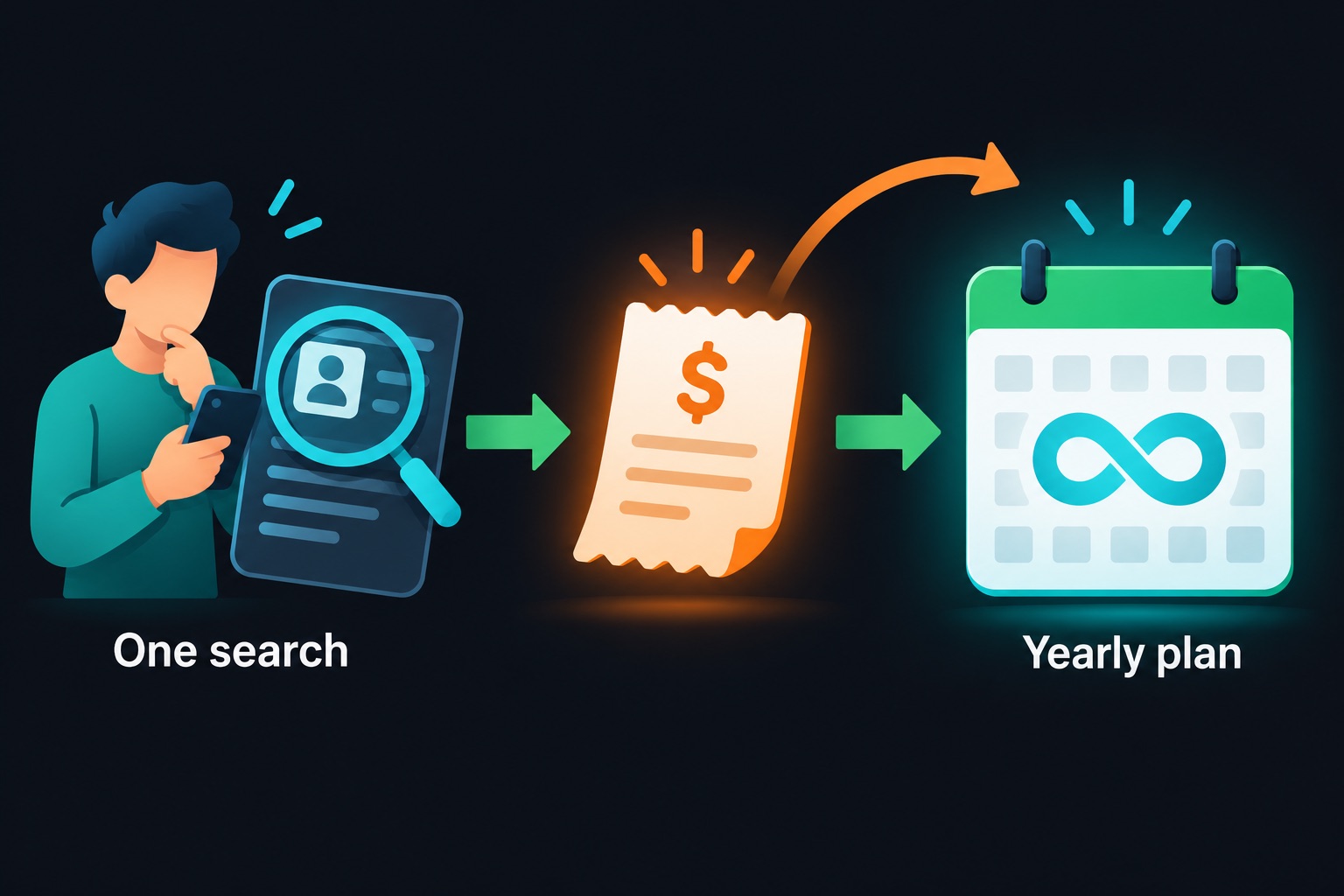
Plinq sells searches to individuals. Prices reported by Startups.com.br in March 2026 (press-reported; not confirmed on a live Plinq pricing page):
| Option | Price |
|---|---|
| One full search | R$27 |
| Annual plan, unlimited searches | R$97 per year (about US$19, per Cybernews) |
| Monthly plan (planned for the app launch) | About R$14 per month |
The pricing is clever for a beginner. The single search is the entry point for someone with one urgent worry. The annual plan costs about the same as four single searches, so anyone who expects to check again has a reason to upgrade.
The revenue numbers need care. Lovable's story, published in September 2025, cites R$2.2M in annual recurring revenue (ARR, a yearly run-rate based on current sales). Six months later, Startups.com.br reported about R$500,000 actually billed in the first six months. A run-rate projects forward. Billed revenue is what came in. Both are self-reported, and they measure different things.
The 2026 goal, per Startups.com.br, is R$10 million. A B2B version, where employers screen job candidates, was also announced.
First users
The growth numbers are big for a 45-day build. Startups.com.br reports about 3,000 users on launch day, 10,000 two months later, and more than 45,000 users with 50,000+ searches in under six months. Cybernews says it passed 15,000 users in under two months.
Three channels show up in the reporting:
1. Press. The story behind the app got early coverage in Brazilian media. A press office keeps that going.
2. TikTok. A team of TikTok creators posts about Plinq every day.
3. Paid traffic. Plinq also buys ads, per Startups.com.br.
Then there's the Lovable effect. Lovable featured Plinq as a customer story, and CEO Anton Osika invested as an individual. It was his first investment in Brazil. Plinq was raising a R$1.5M first round in March 2026.
One claim got pushback. Osika said the app helped women avoid more than 200 dangerous situations. Cybernews noted some users questioned that number and how it was verified.
What to copy
- Pick a problem people already fear. Urgency sells faster than features.
- Use data that already exists. Plinq packages public records instead of building a dataset.
- Ship on the web first. No store review between you and your first paying user.
- Offer one cheap entry and one obvious upgrade. R$27 once, or R$97 for a year.
- Hire engineering once money arrives. Vibe-code the first version, then bring in help to scale it.
If you vibe-code this
This app type is a people-search or background-check app. It holds sensitive records about people who never signed up. Here are the checks I'd run on any app like it:
- Lock search history to its owner. If you use Supabase (Lovable's usual back end), turn on row-level security. See Supabase RLS for vibe coders.
- Check ownership on every record ID. Changing
/search/123to/search/124must never show someone else's result. See IDOR authorization. - Rate-limit searches. Without limits, one account can scrape your whole data source. See API rate limiting.
- Verify payment webhooks. Unlock paid searches only after a signed payment event. See Stripe webhook security.
- Keep service keys off the client. See Supabase service role key exposed.
A minimal row-level security policy for a search history table:
alter table searches enable row level security;

-- Each user can read only the searches they ran
create policy "own searches only" on searches
  for select using (auth.uid() = user_id);
Building a sensitive-data app with Lovable? Email [email protected] for a vibe-code security audit.
Key takeaway
Plinq shows how far a non-developer can get with Lovable: a paid product in 45 days and about R$500K billed in six months. The tool made it possible. The urgent problem, public data and simple pricing made it sell.
More case studies: Vibe-coded apps making money · Security basics: Vibe coding security guide
Sources
- How Sabrine Matos built Plinq (Lovable, Sep 2025)
- CEO da Lovable faz 1º aporte no Brasil em startup de segurança para mulheres (Startups.com.br, Mar 11, 2026)
- The Plinq app can check the criminal record of your date or ride-sharing driver (Cybernews, May 15, 2026)
- Lovable on X: Plinq $456k ARR post
- Plinq homepage