Flowfy Made \$22K in 5 Months: Vibe-Coded with Rork (Case Study)
September 29, 2026 · 1084 words
| Field | Detail |
|---|---|
| What it is | Flowfy: Control de Gastos, a Spanish-language iPhone app for tracking expenses and budgets |
| Builder | Alberto Pérez, 22, mechanical engineer and former dropshipper — non-developer |
| AI tool | Rork (AI builder for native mobile apps), including Rork Max |
| Stack | Rork; the rest is not disclosed |
| Time to launch | Built within days; launched Nov 11, 2025; paywall switched on Dec 5, 2025 |
| Revenue | $22K total by May 1, 2026; $10K in the first 30 days of monetization; $300+/day at the time — self-reported (Rork case study) |
| Pricing | Free app; FlowfyPRO €3.99/month or €29.99/year (per Rork) |
| Source | Rork case study |
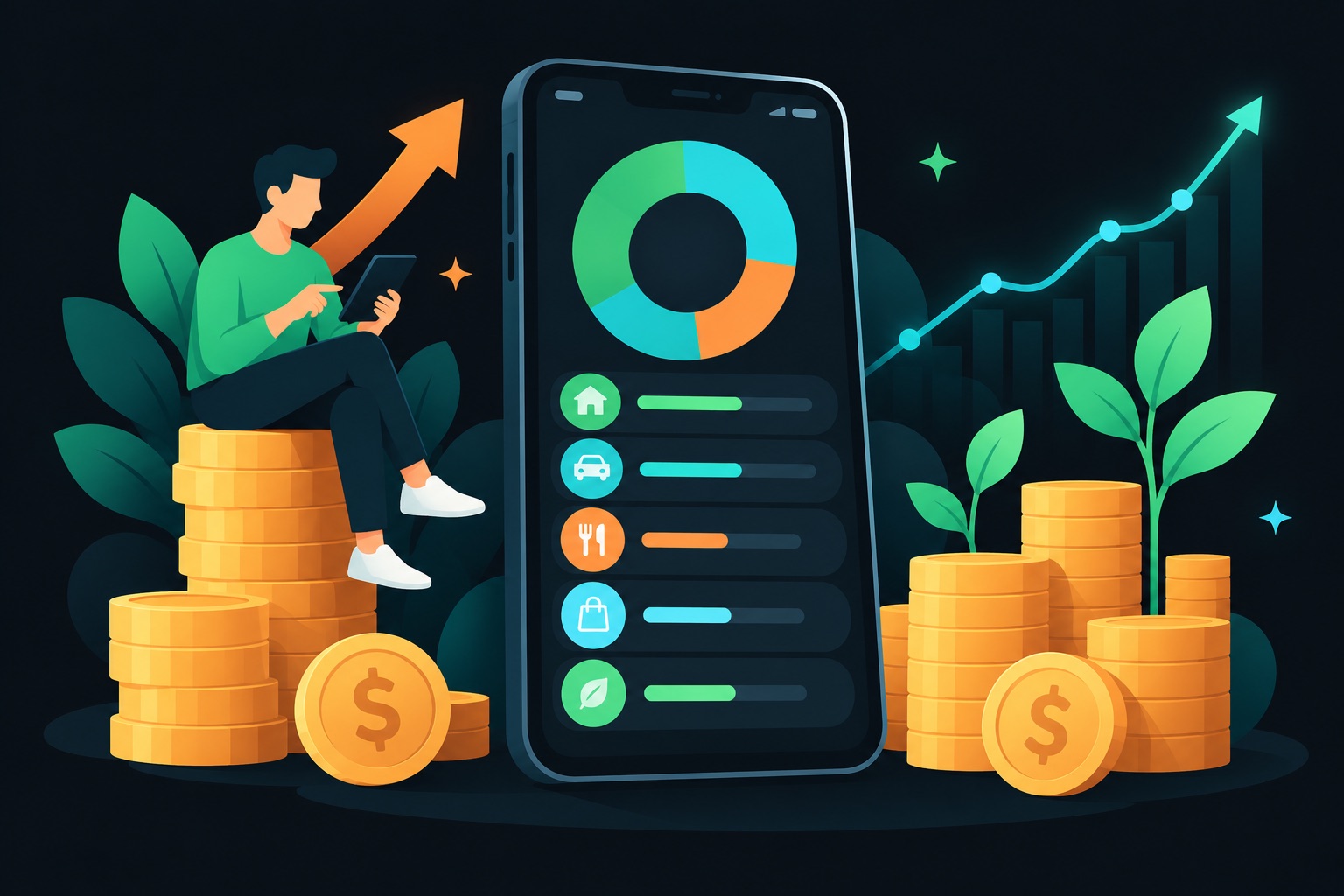
Flowfy made $22K in about five months, according to a May 2026 case study on Rork's blog. $10K of that came in the first 30 days after the paywall went live. The app passed 100,000 downloads and reached #3 in Finance on the Spanish App Store.
Its builder, Alberto Pérez, had never written a line of code. He built Flowfy with Rork, an AI tool that turns prompts into native phone apps.
The core point: he launched free, grew an audience first, and only then turned on the paywall.
The problem it solves
Flowfy is a budgeting app. You log income and expenses, sort them into categories and see where money goes. The Spanish App Store listing describes charts, custom categories and budget tools.
Budget apps are a crowded category. Flowfy's angle was design and audience. Rork's case study describes a pastel, feminine look aimed at young women, an audience the case study calls underserved.
The app is in Spanish first, for Spain. It also lists German and English.
How it was built
Alberto is a 22-year-old mechanical engineer from Spain, studying for a master's in data science. Before Flowfy, he ran seven Shopify dropshipping stores over three years. They sold things like wine holders, journals and canvas prints, and made over $20K in total. He also spent a year creating content online.
He found Rork through a YouTube video and built the app within days. He was an early user of Rork Max. The case study says no traditional code was written.
Beyond Rork, the stack is not disclosed. We do not know the backend, payment tooling or analytics.
The dropshipping background matters. Running online stores means testing products and ads quickly. Rork supplied the one skill he lacked: building the app.
How it makes money
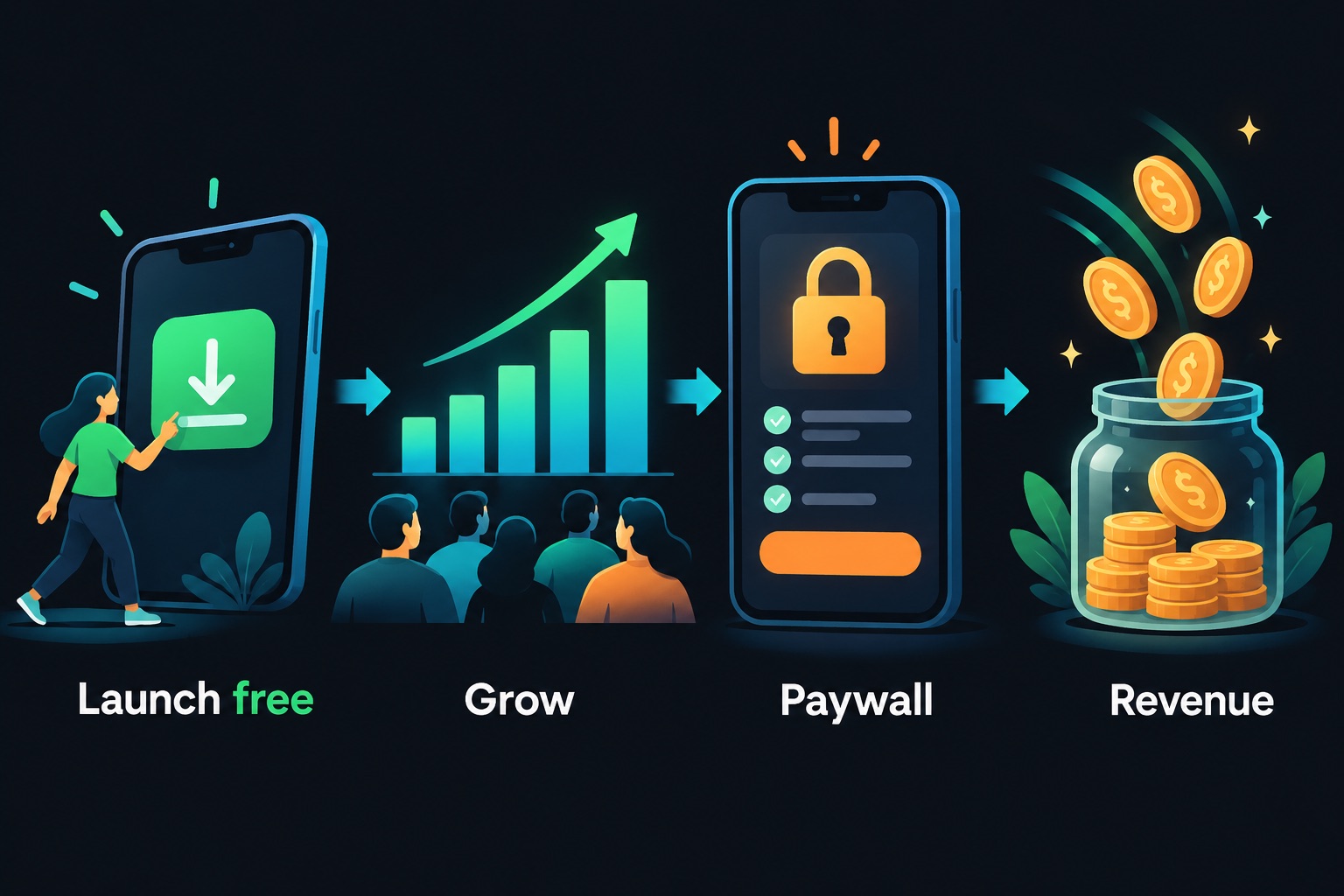
Flowfy is freemium. The core tracker is free. FlowfyPRO unlocks advanced analytics, unlimited categories and savings goals.
Rork lists FlowfyPRO at €3.99 a month or €29.99 a year. The Spanish App Store now shows several in-app purchases, including a €5.99 monthly plan, a €29.99 annual plan and a €14.99 discounted annual plan. Other options range from €7.99 to €36.99. The store list suggests prices have changed since the case study.
The timeline is the interesting part. He launched on November 11, 2025, with no paywall. He switched monetization on December 5. In the first 30 days after that, the app made $10K.
The figures are worth reading closely. By my rough estimate, $22K total by May 1 means about $12K came in from January to April, or roughly $100 a day on average. The case study also reports $300+ a day, with peaks above $600. Both can be true if revenue climbed again later in the spring. The case study does not break it down.
How the first users came
Growth was fully organic. Rork says there were no paid ads.
Alberto tested several content angles until one went viral. Then he doubled down on that format for a Spanish audience. It mirrors the test-and-repeat approach common in dropshipping: find the hook that sells, then repeat it.
Launching free first helped. By the time the paywall appeared, the app already had users and rankings. That likely helped the first month of revenue.
There is a cost to watch. The App Store rating is 3.8 from 66 ratings. Adding a paywall after launch can annoy early users. It is a trade-off every freemium builder faces.
What to copy
- Pick a style, not just a feature. A distinct look can win a crowded category.
- Launch free, then monetize. Build rankings and reviews before asking for money.
- Test content angles fast. Find the hook that spreads, then repeat it.
- Test prices in the store. Several price points let you learn what converts.
- Use skills you already have. Marketing experience plus an AI builder is a strong pair.
If you vibe-code this
Finance apps hold data people care about: income, spending and habits. Check these:
- Lock down every user's rows. If you use Supabase, turn on Row Level Security (RLS), its per-user access rules. If you use Firebase, write strict security rules. See Supabase RLS and Firebase security rules.
- Store login tokens in secure storage. Plain app storage is readable on a compromised device. See React Native secure storage.
- Keep amounts out of analytics. Track "expense added", not "spent €84 at a pharmacy".
- Check "Pro" on the server, not just the phone. Validate subscriptions from the store's records, not a local flag.
- Use proven login flows. See secure authentication for vibe coders.
If your AI builder produces a React Native (Expo) app, store tokens like this:
import * as SecureStore from "expo-secure-store";

await SecureStore.setItemAsync("session_token", token, {
  keychainAccessible: SecureStore.WHEN_UNLOCKED_THIS_DEVICE_ONLY,
});

const saved = await SecureStore.getItemAsync("session_token");
Building a finance or budgeting app and want the data rules and storage checked? Email me at [email protected] for a security audit.
Key takeaway
Flowfy shows a non-coder can ship a finance app in days with Rork. The revenue came from marketing skill, a distinct design and the discipline to grow before charging.
More case studies: vibe-coded apps making money. Before you launch: the vibe coding security guide.